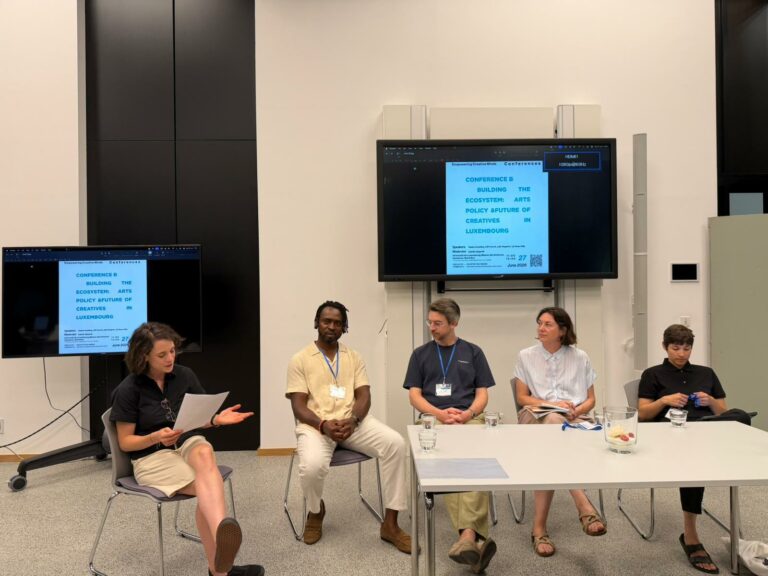
Paneliści
W panelu wzięły udział cztery praktyczki i badaczki działające na styku sztuki, traumy i budowania wspólnoty. Pierwsza z nich to Maxine Salmon Cottreau (CRN), project managerka mieszkająca w Berlinie, która pracuje nad zdrowiem psychicznym i odpornością poprzez edukację pozaformalną, łącząc badania akademickie z praktyką społeczną. Drugą jest Switłana Zakrewska (UNAEDI) z Ukrainy. Kieruje organizacją zajmującą się budowaniem pokoju i wsparciem psychologicznym, ze szczególnym uwzględnieniem ponad dwóch milionów wewnętrznie przesiedlonych osób w tym kraju.
Wnosząc perspektywę badawczą, trzecia panelistka Rosa Lisa Iannone (Douri) z Uniwersytetu Luksemburskiego zwróciła się ku metodologiom opartym na sztuce po tym, jak zdała sobie sprawę, że tradycyjne wywiady nie są w stanie w pełni uchwycić doświadczeń osób przesiedlonych. Kolaże tożsamości, jak wyjaśniła, stały się potężną alternatywą, pozwalającą uczestnikom wyrazić to, czego słowa często nie potrafiły. Uzupełniając tę perspektywę, czwarta panelistka Elżbieta Rojek (Dla Ziemi), która pracuje we wschodniej Polsce niedaleko ukraińskiej granicy, od lat wykorzystuje ruch, muzykę i sztuki wizualne, aby pomagać uchodźcom i migrantom w przetwarzaniu ich doświadczeń, jednocześnie wzmacniając więzi społeczne.
Znaczenie ciszy
Zapytane o to, co istnieje między ciszą a ekspresją, prelegentki podważyły powszechne założenia. Cisza została opisana jako przestrzeń do refleksji, jak woda w bezruchu przed pojawieniem się zmarszczki. Jednak dla osób dotkniętych traumą cisza może również sygnalizować stan zamrożenia, a nie spokoju. Jednocześnie cisza może mieć charakter ochronny. Jedna z prelegentek wspomniała warsztaty, podczas których uczestnicy pracowali w ciszy, całkowicie pochłonięci twórczymi lub fizycznymi aktywnościami. Zamiast dyskomfortu cisza stała się celowa — przestrzenią, w której mogło rozpocząć się uzdrawianie.
Kreatywność jako język
Panelistki wielokrotnie podkreślały, że praktyki twórcze tworzą możliwości ekspresji bez wymuszania słów.
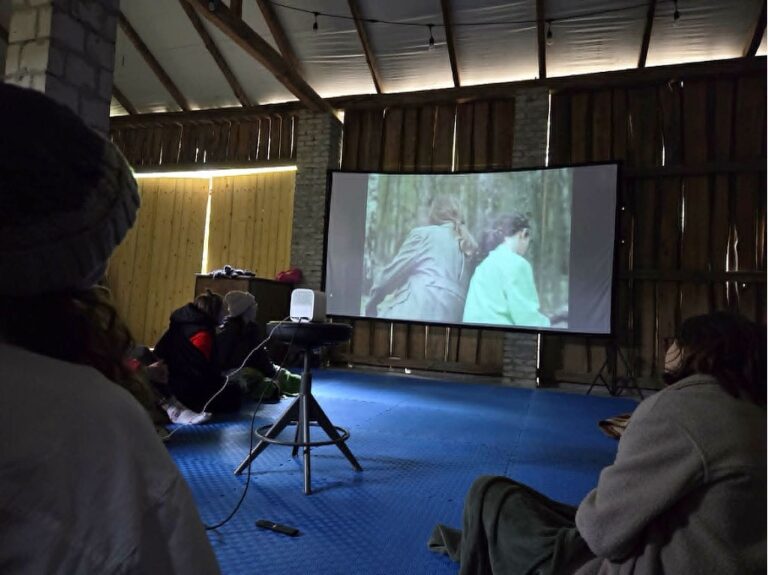
Switłana Zakrewska (UNAEDI) podzieliła się tym, że gdy wewnętrznie przesiedleni Ukraińcy angażowali się w haft, rysowanie czy pracę z tkaniną, komunikacja rodziła się naturalnie. Ciekawość wzajemnych dzieł stopniowo zastępowała traumatyczną ciszę. Działania twórcze pomagały także przełamywać podziały między społecznościami przyjmującymi a uchodźcami, a także między wschodnimi i zachodnimi Ukraińcami. Wspólne tańce i śpiew okazały się szczególnie skuteczne w przełamywaniu barier i podnoszeniu na duchu. Ela przez wiele lat obserwowała podobne efekty. Na warsztatach dla kobiet, których centralnym punktem był śpiew tradycyjnych pieśni, jedna z uczestniczek powiedziała jej później, że te spotkania uratowały jej życie. W trudnym okresie przestrzeń do śpiewania i dzielenia się emocjami stała się kluczowym źródłem wsparcia.
Słuchanie wykraczające poza słowa
Z perspektywy badawczej Rosa Lisa Iannone (Douri) argumentowała, że konwencjonalne metody często pomijają samą ciszę. Badacze są szkoleni do interpretowania mowy i widocznej ekspresji, jednak cisza niesie ze sobą różne znaczenia w zależności od kultury, kontekstu i osobistego doświadczenia.
Sztuka oferuje alternatywne sposoby rozumienia. Pojedyncze dzieło sztuki czy instalacja mogą wywoływać różne emocje u różnych osób — a nawet u tej samej osoby na przestrzeni czasu — czyniąc twórczą ekspresję bogatszym językiem dla doświadczeń, których same słowa nie są w stanie uchwycić.
Praca ze społecznościami
Powracającym motywem było znaczenie pracy ze społecznościami, a nie nad nimi.
Maxine Salmon Cottreau (CRN) przyznała, że istnieje napięcie między oczekiwaniem darczyńców dotyczącym mierzalnych rezultatów a wolniejszym procesem prawdziwego wzmacniania pozycji ludzi. Celem jest nie tylko realizacja projektów, ale także wyposażenie ludzi w narzędzia, które mogą samodzielnie wykorzystywać w swoich społecznościach. Svitlana Zakrevska (UNAEDI) podkreśliła, że organizacje muszą również chronić swoje wartości. Gonienie za każdym dostępnym grantem grozi przekształceniem organizacji pozarządowych w “fabryki projektów”. Mniej inicjatyw, spójnych z jasną misją, ostatecznie przynoszą większy wpływ.
Tworzenie bezpiecznych przestrzeni
Pytania z publiczności koncentrowały się na tym, jak praktycy rozróżniają wybrane milczenie i milczenie zakorzenione w traumie. Prelegenci zgodzili się, że bezpieczeństwo zaczyna się od uczynienia uczestnictwa dobrowolnym i szanowania granic od samego początku. Kiedy ludzie wiedzą, że mogą nie mówić, często chętniej się dzielą.
Odpowiedzialność spoczywa również na osobach prowadzących. Choć nie są terapeutami, muszą zdawać sobie sprawę, że działania artystyczne mogą obudzić trudne emocje i dlatego wymagają przygotowania, wrażliwości oraz stałej uwagi na potrzeby uczestników.
Wspólna odpowiedzialność
Dyskusję zakończyło wspólne przekonanie: wspieranie osób dotkniętych traumą wymaga od wszystkich — artystów, badaczy, darczyńców, praktyków i społeczności — współpracy. Żaden pojedynczy głos nie wystarczy.
Panel pokazał, że uzdrawianie nie jest ani proste, ani natychmiastowe. Wymaga cierpliwości, kreatywności, trwałego wsparcia oraz prawdziwego partnerstwa. A jednak kiedy ludzie tworzą razem, milczenie może stać się więzią, a trauma nie ma już ostatniego słowa.